
Is Dustless Hardwood Floor Refinishing Really Dust-Free?
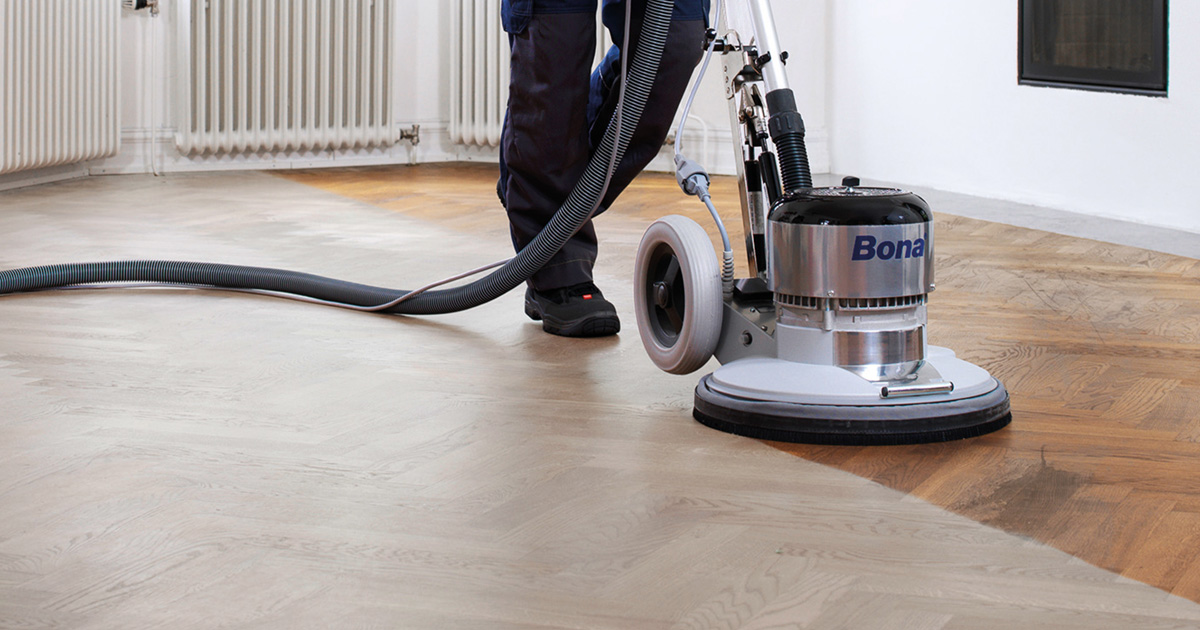
“Dustless” refinishing is more accurately described as dust-controlled or dust-containment hardwood refinishing. Professional sanding equipment connects to powerful vacuum systems that capture a large portion of the wood dust as it is produced, creating a much cleaner process than conventional sanding. However, no sanding system should be assumed to eliminate every particle of dust. Professional dustless hardwood floor refinishing can restore scratches, worn finishes, fading, and discoloration while allowing homeowners to change the stain color and finish sheen of their existing floors. When the hardwood remains structurally sound, refinishing can also be a practical alternative to complete replacement.
Beautiful hardwood floors can last for decades, but eventually even well-maintained wood begins to show signs of everyday life.
Scratches, worn traffic areas, fading, discoloration, and a deteriorating finish don’t necessarily mean the flooring needs to be replaced.
Professional dustless hardwood floor refinishing in Washington DC can restore the surface of an existing floor while using specialized dust-containment equipment to capture much of the sanding dust generated during the process.
At Classic Floor Designs, hardwood floor refinishing allows homeowners to renew existing wood while preserving a material that may already be an important part of the home’s architecture.
What Is Dustless Hardwood Floor Refinishing?
Hardwood refinishing typically involves sanding the existing floor to remove the old finish and prepare the wood for staining and a new protective coating.
Sanding naturally produces wood dust.
With dust-containment refinishing, professional sanding equipment is connected to vacuum systems designed to collect dust close to where it is created.
This can significantly reduce the amount of sanding dust that escapes into the surrounding home compared with sanding without effective dust containment.
The term dustless is commonly used within the flooring industry, but homeowners should understand that no sanding process should be expected to produce absolutely zero dust.
The goal is a substantially cleaner and more controlled refinishing process.
What Are the Benefits of Dustless Floor Refinishing?
Dust containment provides several practical advantages during a hardwood refinishing project.
Less Airborne Sanding Dust
The most obvious advantage is reducing the amount of fine wood dust released into the home during sanding.
Instead of allowing most sanding debris to enter the room, specialized equipment captures much of it as the floor is being sanded.
Less Cleanup
Controlling dust at the sanding equipment can reduce the amount that settles on nearby walls, trim, windowsills, doors, and other surfaces.
Homeowners should still prepare the work area according to their contractor’s instructions, but effective dust containment can make the overall project cleaner.
Better Working Conditions
Keeping sanding dust under control creates a cleaner work environment for the flooring professionals performing the project.
Preserve Existing Hardwood
Perhaps the greatest benefit isn’t related to dust at all.
When an existing floor remains structurally sound, refinishing allows homeowners to keep the original hardwood rather than replacing it unnecessarily.
If you’re deciding whether your floor can be saved, read our guide to hardwood floor refinishing vs. replacement.
When Do Hardwood Floors Need Refinishing?
Hardwood floors don’t need to be refinished simply because they have a few minor marks.
Refinishing becomes more appropriate when the protective surface has experienced significant wear or when homeowners want to substantially change the appearance of the floor.
Common signs include:
- Widespread scratches
- Dull or worn traffic areas
- Fading
- Discoloration
- Finish deterioration
- Exposed or unprotected wood
- An outdated stain color
- Significant differences between previously covered and exposed areas
The condition of the wood itself is important.
If boards are severely damaged, structurally compromised, or have already been sanded repeatedly, conventional refinishing may not be the appropriate solution.
Our guide to how long hardwood floors last explains how refinishing and maintenance contribute to hardwood’s long service life.
What Happens During Hardwood Floor Refinishing?
Although every project is different, professional refinishing generally involves several stages.
1. Evaluate the Existing Hardwood
Before sanding begins, the floor should be inspected.
The flooring professional may consider:
- Wood species
- Board condition
- Previous refinishing
- Remaining thickness
- Damaged boards
- Existing finish
- Stains or discoloration
- Movement or gaps
- Areas requiring repair
This evaluation helps determine whether the floor is suitable for refinishing.
2. Prepare the Space
Furniture and other movable items need to be removed from the work area.
The exact preparation requirements depend on the home and project.
3. Sand the Existing Finish
Professional sanding equipment removes the old finish and prepares the wood for the next stages.
Dust-containment equipment captures much of the sanding debris during this process.
4. Perform Detail and Edge Sanding
Edges, corners, and other areas that larger sanding machines cannot reach require additional attention.
Consistent sanding throughout the room is important because differences in surface preparation can affect how stain and finish appear.
5. Select or Apply the Stain
Homeowners may choose to preserve a natural wood appearance or change the floor color.
The appropriate stain depends partly on the hardwood flooring species, because different woods absorb color differently.
6. Apply the Protective Finish
After preparation and staining, the floor receives a protective finish.
Finish selection affects durability, appearance, sheen, drying characteristics, and maintenance.
Can You Change Hardwood Floor Color During Refinishing?
Yes, and this is one of the biggest advantages of refinishing.
A floor that currently looks dark, orange, red, or otherwise dated may have considerably different potential once the existing stain and finish are removed.
Depending on the species and condition, homeowners may be able to choose:
- Natural wood
- Light neutral stains
- Warm brown
- Medium brown
- Darker traditional colors
- Custom stain combinations
White Oak, Red Oak, Maple, and other woods react differently to stain.
Homeowners comparing Oak floors can read our guide to White Oak vs. Red Oak hardwood flooring.
Whenever possible, stain samples should be evaluated on the actual flooring being refinished, because species, age, sanding, grain, and lighting can all affect the final color.
Matte vs. Satin vs. Gloss After Refinishing
Refinishing also gives homeowners an opportunity to change the sheen of their hardwood.
Matte
Matte finishes create very little reflection and emphasize a more natural appearance.
They can also make minor scratches, dust, and everyday wear less noticeable.
Satin
Satin offers a subtle sheen and is a popular compromise between understated matte and more reflective finishes.
Gloss
Gloss finishes reflect considerably more light and can create a more formal appearance, but they may also make surface imperfections and dust more noticeable.
Our guide to matte vs. satin vs. gloss hardwood floors provides a detailed comparison.
Dustless Refinishing vs. Hardwood Floor Restoration
Refinishing and restoration aren’t always the same thing.
Hardwood floor refinishing primarily addresses the surface of an existing floor through sanding, staining, and finishing.
Hardwood floor restoration may involve more extensive work, such as:
- Replacing damaged boards
- Repairing historic flooring
- Matching discontinued dimensions
- Correcting previous repairs
- Recreating missing sections
- Preserving borders or decorative details
- Custom stain matching
Restoration can be particularly important in older Washington DC properties where preserving the original material is part of maintaining the character of the home.
Dustless Refinishing for Historic Washington DC Homes
Many older Washington homes contain original hardwood that may be worth preserving.
Instead of replacing a worn floor with new material, professional refinishing or restoration can often retain the original species, plank dimensions, grain, and architectural character.
Our guide to hardwood flooring for historic Washington DC homes explains why matching flooring to the architecture matters.
For older rowhomes specifically, see our recommendations for hardwood floors in NW Washington DC rowhomes and historic properties.
When individual boards are damaged but most of the floor remains usable, selective repairs followed by refinishing may produce a more appropriate result than replacing everything.
Dustless Hardwood Floor Refinishing in Northwest DC
Northwest Washington DC contains a diverse collection of historic rowhomes, detached residences, condominiums, and renovated properties.
Many of these homes already contain hardwood flooring that can potentially be renewed.
Our guide to hardwood floor refinishing in Northwest DC covers local considerations in more detail.
For projects involving several flooring materials or a broader renovation, explore our guide to luxury flooring in Northwest DC.
Refinishing Hardwood in Chevy Chase and Spring Valley Homes
Chevy Chase and Spring Valley homes frequently contain hardwood that contributes to the property’s traditional character.
When the existing floor remains in good structural condition, refinishing can update its color and appearance without replacing the underlying wood.
This can be particularly useful during renovations where homeowners are updating cabinetry, wall colors, furniture, or other interior finishes.
Our guide to flooring options for Chevy Chase and Spring Valley homes explains how refinished hardwood can fit into a larger flooring plan.
Can Every Hardwood Floor Be Refinished?
No.
Whether a floor can be refinished depends on its construction, thickness, condition, previous sanding, and extent of damage.
Solid hardwood can often be refinished multiple times, but the number is not unlimited.
Engineered hardwood varies considerably. Some products have substantial hardwood wear layers that permit refinishing, while others have much thinner surfaces.
Our guide to engineered vs. solid hardwood flooring explains these construction differences.
A flooring professional should inspect the floor rather than assuming that every hardwood product can safely undergo another complete sanding.
Should You Refinish or Install New Hardwood?
Refinishing is generally attractive when you:
- Like the existing flooring
- Want to preserve original hardwood
- Want to change the stain or sheen
- Have surface wear rather than severe structural damage
- Have sufficient wood remaining for sanding
New hardwood floor installation may be preferable when:
- The existing flooring is severely damaged
- Large sections are missing
- The floor cannot safely be sanded again
- You want a completely different species
- You want substantially different plank widths
- You’re redesigning the flooring layout
Our refinishing vs. replacement guide provides a more detailed comparison.
How Much Does Hardwood Floor Refinishing Cost?
Refinishing cost varies by project.
Factors can include:
- Square footage
- Floor condition
- Repairs
- Stairs
- Existing finish
- Stain selection
- Finish system
- Number of coats
- Furniture or site preparation
- Project complexity
Homeowners comparing refinishing with replacement should look at the complete scope of work, not simply a square-foot number.
For broader flooring budgeting, our hardwood flooring cost guide explains the factors that affect new hardwood projects as well.
How to Protect Hardwood After Refinishing
Proper care begins once the refinishing project is complete.
Always follow the flooring professional’s instructions regarding when you can walk on the floor, replace furniture, place rugs, and resume normal cleaning because cure times vary by finish system.
Long-term care generally includes:
- Removing dirt and grit regularly
- Cleaning spills promptly
- Using appropriate hardwood cleaners
- Avoiding excessive water
- Using felt pads beneath furniture
- Protecting high-traffic areas
- Maintaining appropriate indoor conditions
Our complete hardwood floor maintenance guide provides additional recommendations.
Professional Hardwood Refinishing Standards
Hardwood refinishing is a specialized trade involving floor evaluation, sanding sequences, abrasive selection, edge work, staining, finishing, moisture considerations, and jobsite conditions.
The National Wood Flooring Association provides technical standards, professional education, and certification programs covering wood-floor installation, sanding, finishing, and inspection.
Using established wood-flooring practices becomes particularly important when working with historic floors, floors that have already been refinished, custom stains, repairs, and premium hardwood.
Is Dustless Hardwood Floor Refinishing Worth It?
For many homeowners, yes.
Dust-containment refinishing combines the benefits of conventional hardwood restoration with a cleaner sanding process.
It can be particularly worthwhile when you want to:
- Preserve existing hardwood
- Reduce sanding dust in the home
- Remove widespread surface wear
- Change an outdated stain color
- Change the finish sheen
- Restore older hardwood without complete replacement
The most important first step is determining whether the existing flooring is actually a good candidate for refinishing.
Dustless Hardwood Floor Refinishing in Washington DC
Classic Floor Designs provides professional hardwood floor refinishing for homeowners throughout Washington DC and surrounding communities.
We can evaluate the existing floor, determine whether refinishing or hardwood floor restoration is appropriate, discuss stain and finish options, and help preserve hardwood that still has years of useful life remaining.
For homeowners considering a larger renovation, we also provide hardwood floor installation when replacement or new flooring is the better solution.
Contact Classic Floor Designs to discuss dustless hardwood floor refinishing for your Washington DC area home.

