


How Do You Match Existing Hardwood Floors?
To match existing hardwood floors, identify the wood species, plank width, thickness, grade, grain pattern, stain color, and finish of the original flooring. Because hardwood changes color as it ages and is exposed to sunlight, new flooring may not match perfectly at first. A professional flooring contractor can create a closer match by using unfinished hardwood and custom staining and finishing the new boards to blend with the existing floor. For older or discontinued flooring, custom-milled hardwood may be necessary to match the original dimensions and appearance.
How to Match Existing Hardwood Floors is the process of selecting new hardwood flooring that closely matches an existing floor’s wood species, plank width, thickness, stain color, finish, and overall appearance. When done correctly, the transition between old and new flooring can be nearly seamless.
One of the most common questions homeowners ask is whether new hardwood flooring can match what’s already in their home. The answer is often yes, but achieving a beautiful result requires careful planning and attention to detail.
At Classic Floor Designs, we’ve helped homeowners throughout Washington DC, Bethesda, Potomac, Chevy Chase, and Northern Virginia blend new hardwood flooring with existing floors in historic homes, additions, renovations, and open-concept remodels.
Quick Answer
In many cases, existing hardwood floors can be matched successfully. The best results come from identifying the wood species, plank dimensions, grade, finish, and stain color, then refinishing both the existing and new flooring together whenever possible.
Quick Facts
| Question | Answer |
| Can most hardwood floors be matched? | Yes |
| Best results? | Refinish old and new together |
| Most difficult match | Sun-faded floors |
| Species must match? | Ideally, yes |
| Professional evaluation recommended? | Absolutely |
Can Existing Hardwood Floors Be Matched?
Usually, yes.
Professional flooring contractors match hardwood floors every day.
The key is understanding exactly what flooring already exists before ordering new material.
A successful match considers:
- Wood species
- Grade
- Width
- Thickness
- Finish
- Age
- Sun exposure
- Overall character
Step 1: Identify the Hardwood Species
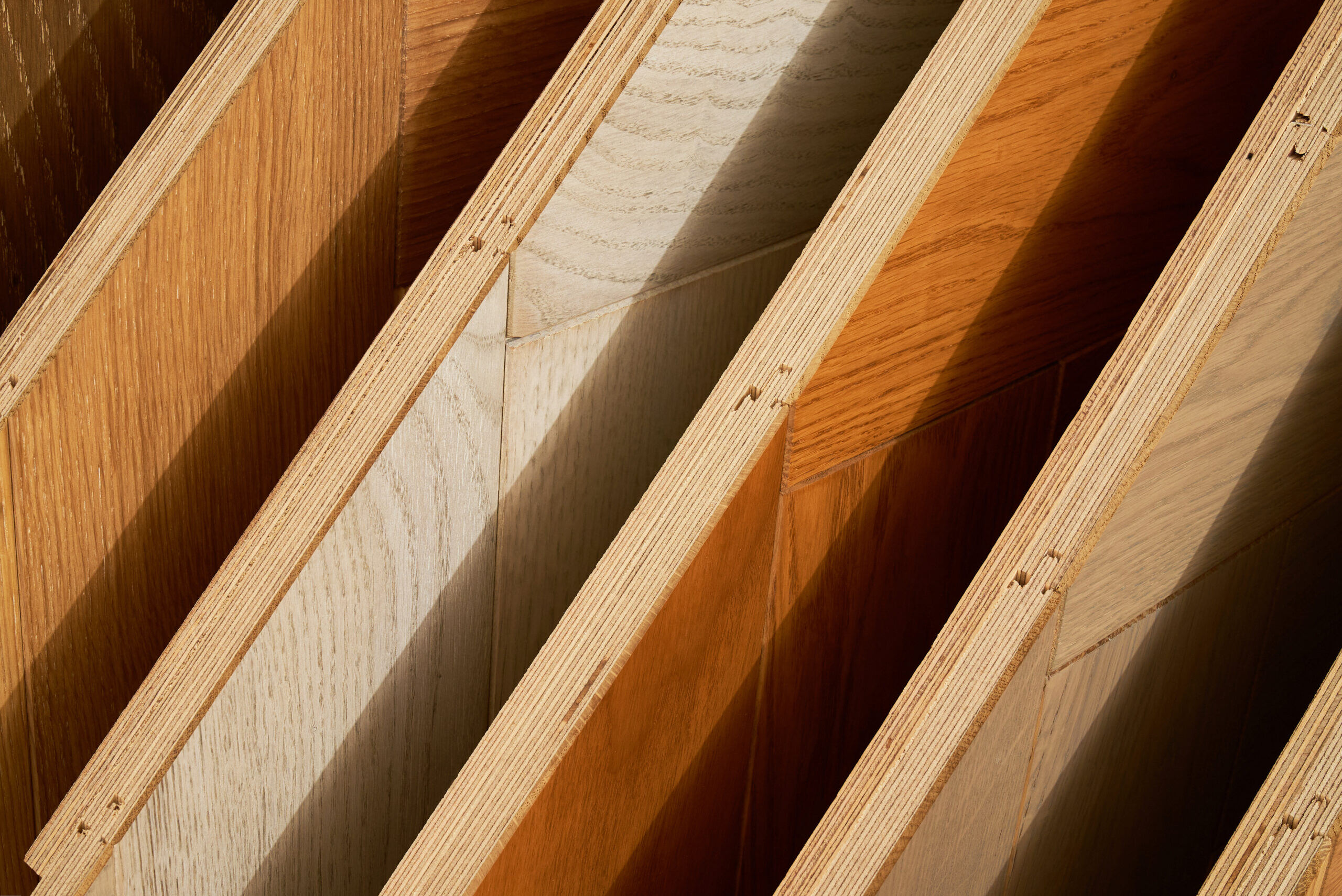
The first step is identifying the existing wood.
Common species include:
- White Oak
- Red Oak
- Maple
- Hickory
- Walnut
White Oak and Red Oak may appear similar to many homeowners, but they stain differently and have distinct grain patterns.
Using the wrong species almost always creates a noticeable mismatch.
Step 2: Match the Board Width
Board width has a major impact on the finished appearance.
Examples include:
- 2¼-inch traditional strip flooring
- 3¼-inch plank flooring
- 5-inch hardwood
- 7-inch wide plank
Even if the stain color is perfect, a different board width can make the transition obvious.
Step 3: Match the Thickness
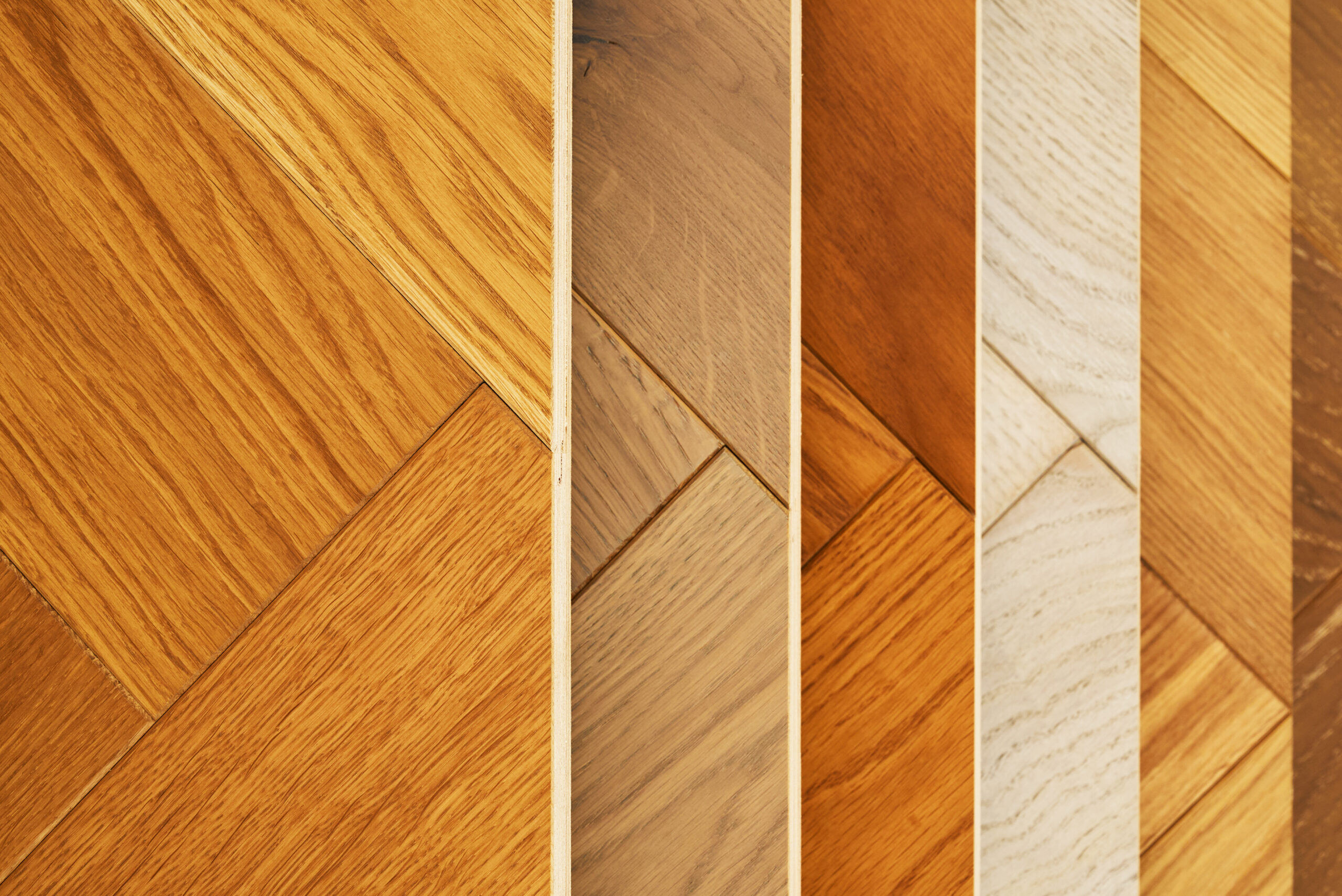
Floor thickness affects:
- Transitions
- Door clearances
- Stair noses
- Overall installation
Matching thickness helps create a smooth, professional result.
Step 4: Match the Grade
Hardwood flooring comes in several grades.
Examples include:
- Select
- Character
- #1 Common
The amount of knots, mineral streaks, and color variation should complement the existing floor.
Step 5: Match the Finish
Many homeowners focus only on stain color.
The finish matters just as much.
Compare:
- Matte
- Satin
- Semi-gloss
- Gloss
Changing the sheen can make two otherwise identical floors appear different.
Step 6: Consider Sunlight and Age
Older hardwood floors naturally change color over time.
Sunlight can:
- Lighten some species
- Darken others
- Create color variation beneath rugs
That’s why matching older floors often requires more than simply buying the same flooring.
Why Refinishing Creates the Best Match
When possible, refinishing both the existing floor and the new flooring together provides the closest visual match.
Benefits include:
- Consistent stain color
- Uniform sheen
- Seamless transitions
- Fresh appearance throughout
This is often the approach we recommend during renovations and additions.
What If a Perfect Match Isn’t Possible?
Not every project allows for an exact match.
When that’s the case, we focus on creating an intentional design.
Options include:
- Border transitions
- Feature strips
- Contrasting species
- Direction changes
- Room-by-room transitions
Sometimes a complementary floor looks even better than forcing an imperfect match.
Common Mistakes
Avoid these mistakes:
- Matching color before species
- Ignoring board width
- Forgetting about aging
- Choosing flooring from photos alone
- Assuming every White Oak floor looks the same
- Mixing gloss and matte finishes
Classic Floor Designs Tip
If you’re remodeling several connected rooms, refinishing the entire floor after installing the new hardwood often produces the most seamless and professional-looking result.
Matching Hardwood Floors in Washington, DC Homes
Many homes throughout Washington, DC, Bethesda, Potomac, Chevy Chase, and Northern Virginia feature original hardwood flooring that homeowners want to preserve.
We’ve successfully matched hardwood in:
- Historic row homes
- Colonials
- Craftsman homes
- Mid-century homes
- Luxury additions
- Kitchen renovations
Each project begins with careful evaluation of the existing flooring before recommendations are made.
Frequently Asked Questions
Can you match hardwood floors exactly?
Often, yes. The closer the species, grade, dimensions, and finish, the better the result.
Do hardwood floors change color over time?
Yes. Natural aging and sunlight can alter the appearance of hardwood flooring.
Should I refinish everything together?
If practical, refinishing the existing and new flooring together often provides the best visual match.
Can engineered hardwood be matched to solid hardwood?
Sometimes. A flooring professional can evaluate whether the appearance and dimensions are compatible.
Is matching hardwood flooring expensive?
The cost depends on the scope of the project and whether refinishing is included, but matching existing floors is often more economical than replacing all of the flooring.

