

What Is the Best Way to Maintain Hardwood Floors?
The best way to maintain hardwood floors is to remove dirt and grit regularly, clean with a hardwood-approved product, control moisture, and protect the finish from scratches. Use a microfiber dust mop or hardwood-safe vacuum attachment for routine cleaning, wipe up spills immediately, and avoid steam mops, abrasive cleaners, and excessive water. Maintaining indoor humidity between 35% and 55% can also help minimize seasonal gaps and movement. Felt furniture pads, entry mats, and area rugs in high-traffic spaces provide additional protection and can help extend the time between professional refinishing.
Hardwood Floor Maintenance: The Complete Homeowner’s Guide
Beautiful hardwood floors are one of the best investments you can make in your home, but like any natural material, they benefit from proper care. Fortunately, Hardwood Floor Maintenance is easier than many homeowners think. With the right cleaning routine and a few preventative measures, your hardwood floors can remain beautiful for decades.
At Classic Floor Designs, we’ve installed and refinished hardwood floors throughout Washington DC, Bethesda, Potomac, Chevy Chase, and Northern Virginia for years. We’ve also seen firsthand how proper maintenance can dramatically extend the life of a hardwood floor while preserving its beauty.
This guide explains everything you need to know to keep your hardwood floors looking their best.
Quick Answer
The best Hardwood Floor Maintenance routine includes regular dust removal, cleaning with a hardwood-approved cleaner, protecting floors from scratches and moisture, maintaining consistent indoor humidity, and refinishing the floor when normal wear begins to affect its appearance.
Why Hardwood Floor Maintenance Matters
Hardwood flooring is incredibly durable, but dirt, grit, moisture, and everyday traffic gradually wear away the protective finish.
A simple maintenance routine helps:
- Preserve your floor’s finish
- Reduce scratches
- Maintain its natural beauty
- Extend the time between refinishing
- Protect your investment
- Improve resale value
Think of the finish as your floor’s protective shield. The better you care for it, the longer your hardwood will last.
Daily Hardwood Floor Maintenance
Most hardwood floors don’t require daily mopping. Instead, focus on removing dirt before it can scratch the finish.
Daily maintenance is simple:
- Dust mop with a microfiber pad.
- Sweep high-traffic areas.
- Wipe up spills immediately.
- Remove sand and dirt from entryways.
- Shake out entry mats.
Just a few minutes each day can make a noticeable difference over time.
Weekly Hardwood Floor Cleaning

A more thorough cleaning once a week helps remove dust, pet hair, and fine particles that a quick sweep may miss.
We recommend:
- Vacuum using a hardwood floor attachment (never a beater bar).
- Dust mop all rooms.
- Damp mop with a manufacturer-approved hardwood cleaner.
- Clean beneath furniture when possible.
Avoid soaking the floor with water. Hardwood and standing moisture are never a good combination.
Monthly Hardwood Floor Maintenance
Each month, take a few extra minutes to inspect your floors.
Check for:
- Furniture pads that need replacing
- Minor scratches
- Areas of excessive wear
- Loose floor vents
- Dirt trapped under rugs
- Signs of moisture near doors or windows
Replacing worn felt pads under furniture is one of the easiest ways to prevent scratches.
Seasonal Hardwood Floor Maintenance
One of the most overlooked aspects of Hardwood Floor Maintenance is controlling humidity.
Because hardwood is a natural product, it expands and contracts with seasonal changes.
Spring & Summer
Higher humidity may cause slight expansion.
Tips:
- Use air conditioning when needed.
- Wipe up tracked-in rainwater promptly.
- Keep exterior mats clean.
Fall & Winter
Dry indoor air may cause small gaps between boards.
Tips:
- Maintain indoor humidity between 35% and 55%.
- Consider using a whole-home or portable humidifier.
- Avoid excessive heat near hardwood floors.
Seasonal movement is completely normal and usually does not indicate a problem.
How to Protect Hardwood Floors
Prevention is always easier than repair.
Protect your floors by:
- Using felt pads under furniture
- Placing rugs in high-traffic areas
- Using walk-off mats at entrances
- Lifting heavy furniture instead of dragging it
- Keeping pet nails trimmed
- Wearing soft-soled shoes indoors
These simple habits can dramatically reduce everyday wear.
Best Cleaning Products for Hardwood Floors
Always choose cleaners specifically designed for hardwood flooring.
Look for products that are:
- pH balanced
- Residue free
- Manufacturer approved
- Safe for polyurethane finishes
When in doubt, ask your flooring professional for recommendations.
Cleaning Products to Avoid
Some common household products can damage hardwood flooring over time.
Avoid:
- Steam mops
- Vinegar and water mixtures (unless approved by the floor manufacturer)
- Bleach
- Ammonia
- Oil soaps
- Wax products on polyurethane floors
- Abrasive scrubbers
Using the wrong cleaner can dull the finish or leave behind residue that’s difficult to remove.
Common Hardwood Floor Problems
Scratches
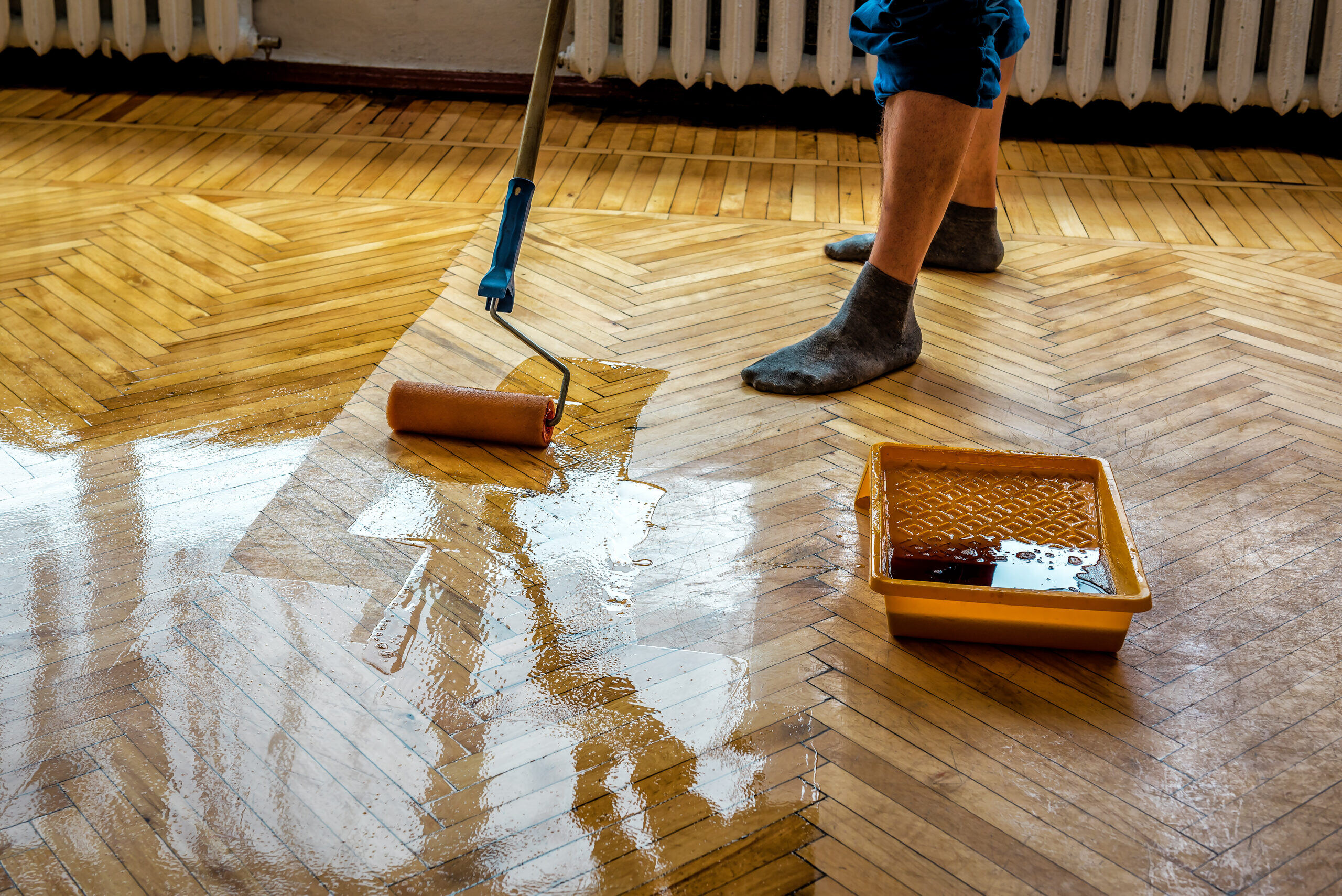
Most minor scratches affect only the finish, not the wood itself.
Prevent them by:
- Removing grit promptly
- Using furniture pads
- Keeping pets’ nails trimmed
Dull Finish
Over time, foot traffic gradually wears away the protective coating.
Professional screening and recoating may restore the appearance without a full refinishing.
Gaps Between Boards
Small seasonal gaps are completely normal, especially during winter when indoor humidity drops.
These usually close again as humidity increases.
Cupping
Boards that appear higher along the edges than the center are called cupped.
Common causes include:
- Excess moisture
- Plumbing leaks
- High humidity
Address moisture issues promptly before refinishing.
Buckling
Buckling occurs when hardwood lifts away from the subfloor.
This is usually caused by significant moisture problems and should be inspected by a flooring professional as soon as possible.
How Often Should Hardwood Floors Be Refinished?
One of the biggest advantages of hardwood flooring is that it can often be refinished rather than replaced.
Most floors benefit from refinishing every 10 to 20 years, depending on:
- Traffic levels
- Wood species
- Finish quality
- Maintenance routine
- Household activity
If scratches reach the wood or the finish has worn away in large areas, refinishing may be the best solution.
Signs It’s Time to Call a Professional
Consider contacting a flooring specialist if you notice:
- Deep scratches
- Water damage
- Widespread dullness
- Large gaps
- Loose boards
- Squeaking that has become worse
- Finish wearing through to bare wood
Addressing problems early often prevents more expensive repairs later.
Hardwood Floor Maintenance in Washington, DC Homes
Homes throughout Washington, DC, Bethesda, Potomac, Chevy Chase, and Northern Virginia experience humid summers and dry winters. These seasonal changes make humidity control an important part of Hardwood Floor Maintenance.
Maintaining consistent indoor humidity, cleaning with the proper products, and scheduling professional maintenance when needed will help your floors continue to perform beautifully for many years.
At Classic Floor Designs, we not only install hardwood flooring—we also help homeowners protect their investment long after installation is complete.
Hardwood Floor Maintenance Checklist
Daily
- Dust mop high-traffic areas
- Wipe up spills immediately
Weekly
- Vacuum with a hardwood attachment
- Damp mop using a hardwood-approved cleaner
Monthly
- Inspect felt pads
- Check for scratches
- Clean beneath furniture
- Inspect entry mats
Seasonally
- Monitor indoor humidity
- Inspect for gaps or cupping
- Rotate rugs if needed
- Schedule professional maintenance if necessary
Let Classic Floor Designs Help Protect Your Floors
Proper Hardwood Floor Maintenance keeps your floors looking beautiful while extending their lifespan. Whether you need advice on cleaning products, professional refinishing, or are considering replacing older flooring, the team at Classic Floor Designs is here to help.
Visit our showroom or contact us to learn more about caring for your hardwood floors and keeping them beautiful for decades to come.

Frequently Asked Questions
What is the best way to clean hardwood floors?
Use a microfiber dust mop regularly and clean with a hardwood floor cleaner recommended by the flooring or finish manufacturer. Avoid excessive water.
Can I use a steam mop on hardwood floors?
Most flooring manufacturers do not recommend steam mops because heat and moisture may damage the finish or wood over time.
How often should I clean hardwood floors?
Dust mop or sweep several times a week, vacuum weekly, and damp mop as needed using an approved cleaner.
Why do hardwood floors develop gaps in the winter?
Dry indoor air causes hardwood to shrink slightly. These seasonal gaps are common and often close when humidity returns.
When should hardwood floors be refinished?
Many hardwood floors need refinishing every 10–20 years, depending on wear, traffic, and maintenance.
Can hardwood floors be refinished if they become scratched?
Yes. Many solid hardwood floors—and some engineered hardwood floors with thick wear layers—can be refinished to restore their appearance.

