


How Do You Know Whether to Refinish or Replace Hardwood Floors?
Choose hardwood floor refinishing when the existing flooring is structurally sound and has enough wear layer remaining to be safely sanded. Refinishing can remove surface scratches, fading, minor discoloration, and everyday wear while allowing you to update the stain color and sheen. Replacement is usually the better choice when floors have severe water damage, rot, significant buckling, structural movement, or have already been refinished too many times. Replacement also makes sense when you want to change the wood species, plank width, or flooring layout. A professional evaluation can determine which option offers the best long-term value for your floor.
Hardwood Floor Refinishing vs. Replacement: Which Is the Better Choice?
Hardwood Floor Refinishing vs. Replacement is the process of deciding whether an existing hardwood floor should be restored with sanding and a new finish or removed and replaced with new flooring. The right choice depends on the condition of the floor, the type of damage, your budget, and your long-term goals.
If your hardwood floors are scratched, faded, or showing signs of wear, you may be wondering whether they can be restored or if it’s time to start over with new flooring.
The good news is that many hardwood floors can be beautifully restored through professional refinishing. However, there are situations where replacement is the better long-term investment.
At Classic Floor Designs, we’ve helped homeowners throughout Washington DC, Bethesda, Potomac, Chevy Chase, and Northern Virginia evaluate existing hardwood floors and determine the most practical and cost-effective solution.
Quick Answer
If your hardwood floor is structurally sound and has enough wear layer remaining, refinishing is often the best choice. If the floor has severe water damage, extensive movement, structural problems, or cannot be refinished again, replacement may be the better investment.
Quick Facts
| Question | Refinishing | Replacement |
| Lower Initial Cost |
|
|
| Keeps Existing Floor |
|
|
| New Wood Species |
|
|
| Change Plank Width |
|
|
| Major Repairs | Limited |
|
| Can Increase Home Value |
|
|
What Is Hardwood Floor Refinishing?
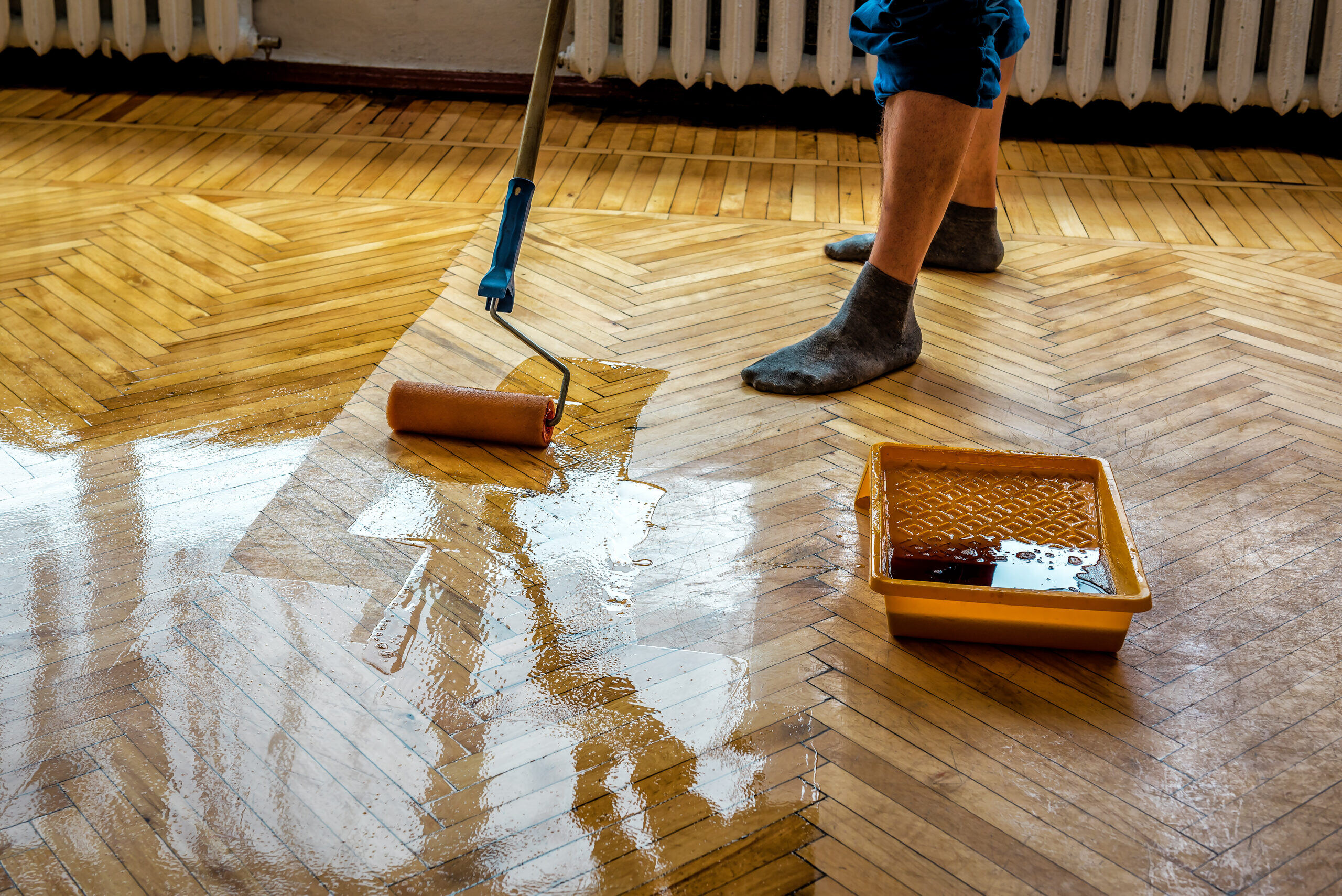
Hardwood floor refinishing restores the appearance of existing hardwood without replacing the flooring.
The process typically includes:
- Sanding away the old finish
- Repairing minor imperfections
- Applying stain (optional)
- Applying multiple coats of protective finish
When performed by experienced professionals, refinishing can make an older floor look remarkably close to new.
When Hardwood Floor Refinishing Is the Best Choice
Refinishing is often recommended when the floor has cosmetic wear but remains structurally sound.
Good candidates include floors with:
- Surface scratches
- Dull finish
- Minor discoloration
- Light pet wear
- Faded stain
- Small dents
- Normal traffic patterns
Many solid hardwood floors can be refinished multiple times during their lifespan.
Signs Your Hardwood Floors Should Be Replaced
Sometimes refinishing isn’t enough.
Replacement is often the better choice when you have:
- Severe water damage
- Extensive rot
- Large areas of missing flooring
- Significant buckling
- Structural movement
- Multiple previous refinishing jobs
- Floors that cannot be matched during additions
Replacement also gives homeowners the opportunity to choose:
- White Oak
- Wide plank flooring
- Engineered hardwood
- Different colors
- Updated finishes
Can Every Hardwood Floor Be Refinished?
No.
Several factors determine whether refinishing is possible.
These include:
- Thickness of the wear layer
- Existing floor condition
- Previous refinishing history
- Type of flooring
Many solid hardwood floors can be refinished several times, while some engineered hardwood products with thicker wear layers can also be refinished.
Cost Considerations
For many homeowners, refinishing is more economical than replacing hardwood flooring because it preserves the existing wood.
Replacement generally becomes more cost-effective when extensive repairs would be required before refinishing or when homeowners want to completely change the look of the floor.
The best way to compare options is through a professional evaluation.
Appearance: Refinishing vs. Replacement
Modern refinishing techniques allow homeowners to dramatically transform existing floors.
You can often change:
- Color
- Sheen
- Finish
- Overall appearance
However, refinishing cannot change:
- Wood species
- Plank width
- Floor layout
- Board length
If your design goals include wider planks or a different species such as White Oak, replacement may be the better option.
Pros and Cons
Hardwood Floor Refinishing
Pros
- Lower cost than replacement
- Preserves original hardwood
- Less material waste
- Restores appearance
- Adds years of life
Cons
- Cannot change plank width
- Limited by existing floor condition
- Requires curing time
Hardwood Floor Replacement
Pros
- Completely new floor
- Choose any species
- Choose wide planks
- Correct structural issues
- Modern finishes
Cons
- Higher investment
- Longer installation
- Existing flooring removed
Common Mistakes
Avoid these common mistakes:
- Assuming every hardwood floor must be replaced
- Waiting too long after the finish wears away
- Refinishing over moisture problems
- Choosing replacement before evaluating refinishing
- Hiring contractors who don’t specialize in hardwood flooring
Expert Tip
Classic Floor Designs Tip
Many homeowners are surprised to learn their existing hardwood floors can be completely transformed through refinishing. Before replacing your floors, have a flooring professional evaluate whether restoration is a viable option—it could save you thousands while preserving the original character of your home.
Hardwood Floor Refinishing vs. Replacement in Washington, DC Homes
Many homes throughout Washington, DC, Bethesda, Potomac, Chevy Chase, and Northern Virginia feature original hardwood flooring that’s decades old.
In many cases, these floors can be restored rather than replaced, preserving the home’s character while updating its appearance with modern finishes.
Historic homes often benefit from refinishing whenever practical, while additions or major renovations may present an opportunity to install new hardwood that complements the existing architecture.
Bottom Line
If your hardwood floors are structurally sound, refinishing is often the most economical and environmentally friendly option. If the floor has extensive damage or you want to completely change the species, plank width, or layout, replacement may provide the better long-term solution.
The best choice starts with a professional assessment.
Can hardwood floors be refinished instead of replaced?
Yes. Many hardwood floors can be refinished if they have enough wear layer remaining and are structurally sound.
When should hardwood floors be replaced?
Replacement is usually recommended when floors have severe water damage, structural issues, or have been refinished too many times.
Is refinishing less expensive than replacing hardwood floors?
In many cases, yes. Refinishing preserves the existing flooring and typically requires fewer materials and less labor than full replacement.
Frequently Asked Questions
How much does hardwood flooring cost?
The cost depends on the wood species, product quality, installation complexity, and the size of the project. A professional estimate provides the most accurate pricing.
Is engineered hardwood less expensive than solid hardwood?
Not always. Premium engineered hardwood can cost as much as—or more than—solid hardwood, depending on the product.
Does wide plank flooring cost more?
Generally, yes. Wide plank flooring often requires premium lumber and more specialized manufacturing.
Is refinishing cheaper than replacing hardwood floors?
If the existing floor is in good condition, refinishing is often a more economical option than installing new hardwood.
Can I change the color of my hardwood floors when refinishing?
Yes. In many cases, a new stain color can completely transform the appearance of the floor.

