

Reviving Your Hardwood Floors in Washington, DC: A Complete Restoration Guide
Hardwood floors are one of the most valuable and timeless features in a home.
However, even the highest-quality wood floors can begin to show wear over time. Scratches, fading, and dull finishes are common—especially in busy Washington, DC households.
Fortunately, hardwood floor restoration can bring your floors back to life without the cost of full replacement.
This guide explains the types of hardwood floors, common issues, and the step-by-step restoration process.
Types of Hardwood Floors
Before starting any restoration project, it’s important to know what type of hardwood flooring you have.
Solid Hardwood Floors
Solid hardwood is made from a single piece of natural wood.
Because of its thickness, solid hardwood can be sanded and refinished many times. It is one of the most durable and long-lasting flooring options available.
Engineered Hardwood Floors
Engineered hardwood is made from multiple layers with a hardwood veneer on top.
It is designed to handle changes in humidity and temperature better than solid wood. However, it can only be refinished a limited number of times.
Knowing your floor type helps you choose the right restoration approach.
Common Problems with Aging Hardwood Floors
Over time, hardwood floors can develop several noticeable issues.
Homeowners in Washington, DC often experience:
-
Scratches and dents from pets, furniture, and daily traffic
-
Discoloration caused by sunlight, spills, or aging finishes
-
Warping or cupping due to moisture and humidity changes
-
Loose or creaking boards as floors settle over time
Fortunately, many of these problems can be corrected through refinishing and restoration.
Why Hardwood Floor Restoration Matters
Restoring hardwood floors improves more than just appearance.
It also provides important long-term benefits.
Extends Floor Lifespan
Repairing surface wear and resealing the wood helps protect floors from future damage.
Increases Home Value
Well-maintained hardwood floors are a premium feature in DC real estate markets.
Restoration can improve resale appeal significantly.
Improves Indoor Cleanliness
Refinishing removes old coatings, trapped dust, and allergens, creating a healthier living environment.
Saves Money Over Replacement
In many cases, restoration is far more cost-effective than installing new flooring.
Preparing for Hardwood Floor Restoration
Preparation is one of the most important steps for a successful project.
Tools and Materials You May Need
A typical hardwood floor restoration requires:
-
Floor sander
-
Sandpaper (coarse to fine grits)
-
Stain (optional)
-
Protective finish or sealant
-
Vacuum and tack cloth
-
Paint brushes or rollers
-
Painter’s tape
-
Safety glasses, mask, and ear protection
Having the right tools ensures a smoother process.
Safety Precautions Before You Begin
Hardwood refinishing involves dust, noise, and strong products.
For safety:
-
Wear eye protection
-
Use a dust mask or respirator
-
Protect hearing when sanding
-
Ensure good ventilation during staining or sealing
Taking precautions helps prevent injury and exposure.
Clean and Inspect the Floor First
Before sanding begins:
-
Remove all furniture and rugs
-
Vacuum thoroughly
-
Mop lightly with a damp cloth
-
Inspect for deep damage or loose boards
If needed, repair holes or gaps with wood filler and secure loose planks.
It’s also helpful to test moisture levels before refinishing.
Step-by-Step Hardwood Floor Restoration Process
Once preparation is complete, restoration can begin.
Step 1: Sanding the Floors
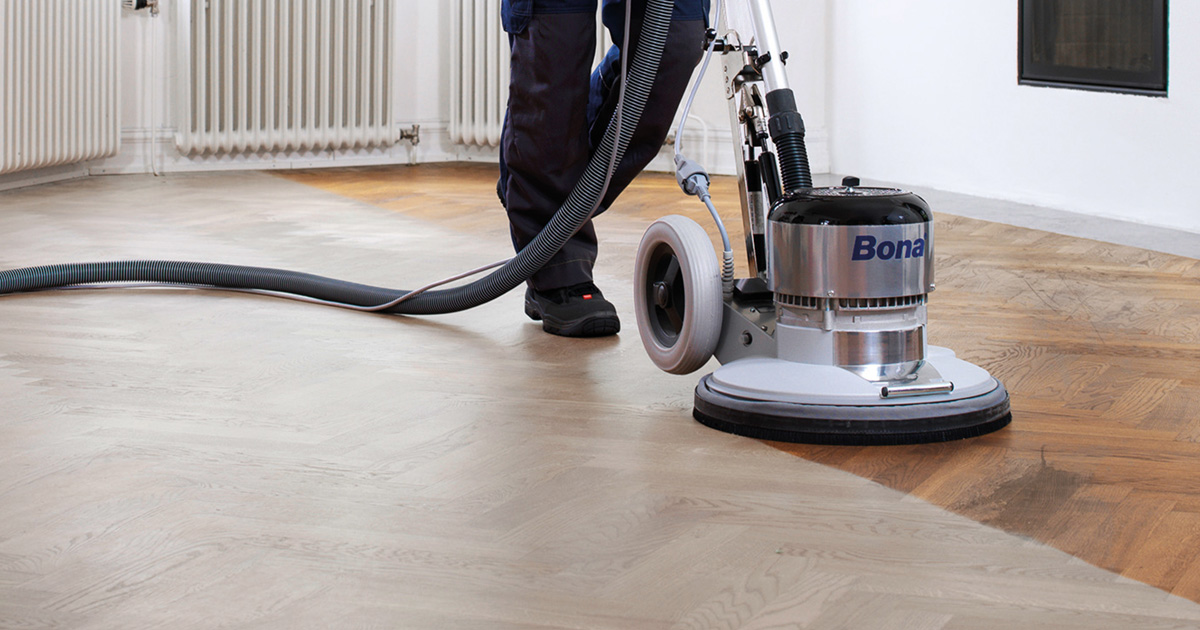
Sanding removes the old finish and smooths the surface.
Start with a coarse grit to strip the floor, then gradually move to finer grits for a polished result.
Always sand in the direction of the wood grain. Edges and corners may require a smaller detail sander.
Step 2: Staining and Sealing
After sanding, clean the floor completely to remove dust.
If you choose to stain:
-
Apply stain evenly with a cloth or brush
-
Allow it to absorb, then wipe off excess
-
Let the stain dry fully
Next, apply a protective sealant or polyurethane finish.
Most floors require 2–3 coats for long-term durability.
Step 3: Polishing and Final Details
Once the finish is dry, polishing can enhance the smoothness and shine.
Many homeowners also install new trim or molding for a clean, finished look.
These details help the restoration feel complete and professional.
Maintaining Your Restored Hardwood Floors
After restoration, proper maintenance keeps your floors looking new.
Recommended care includes:
-
Sweeping or vacuuming regularly
-
Using a damp mop with hardwood-safe cleaner
-
Avoiding excess water or harsh chemicals
-
Placing mats in entryways
-
Using felt pads under furniture
With consistent care, restored hardwood floors can remain beautiful for decades.
Professional Hardwood Floor Restoration in Washington, DC
Hardwood floor refinishing is a detailed process, and professional work often delivers the best long-term results.
Classic Floor Designs offers expert hardwood restoration services in Washington, DC, including:
-
Dustless refinishing
-
Scratch and stain repair
-
Historic floor restoration
-
Premium sealing and finishing
If your floors are showing wear, our team can help bring them back to life with precision and craftsmanship.
Restore the Beauty of Your Hardwood Floors
Hardwood floor restoration is one of the most effective ways to transform your home.
By sanding, refinishing, and maintaining properly, you can revive aging floors and protect them for years to come.
If you are considering hardwood floor restoration in Washington, DC, Classic Floor Designs is here to guide you through every step.

