

Table of Contents
ToggleHardwood Floor Colors: How to Choose the Best Color
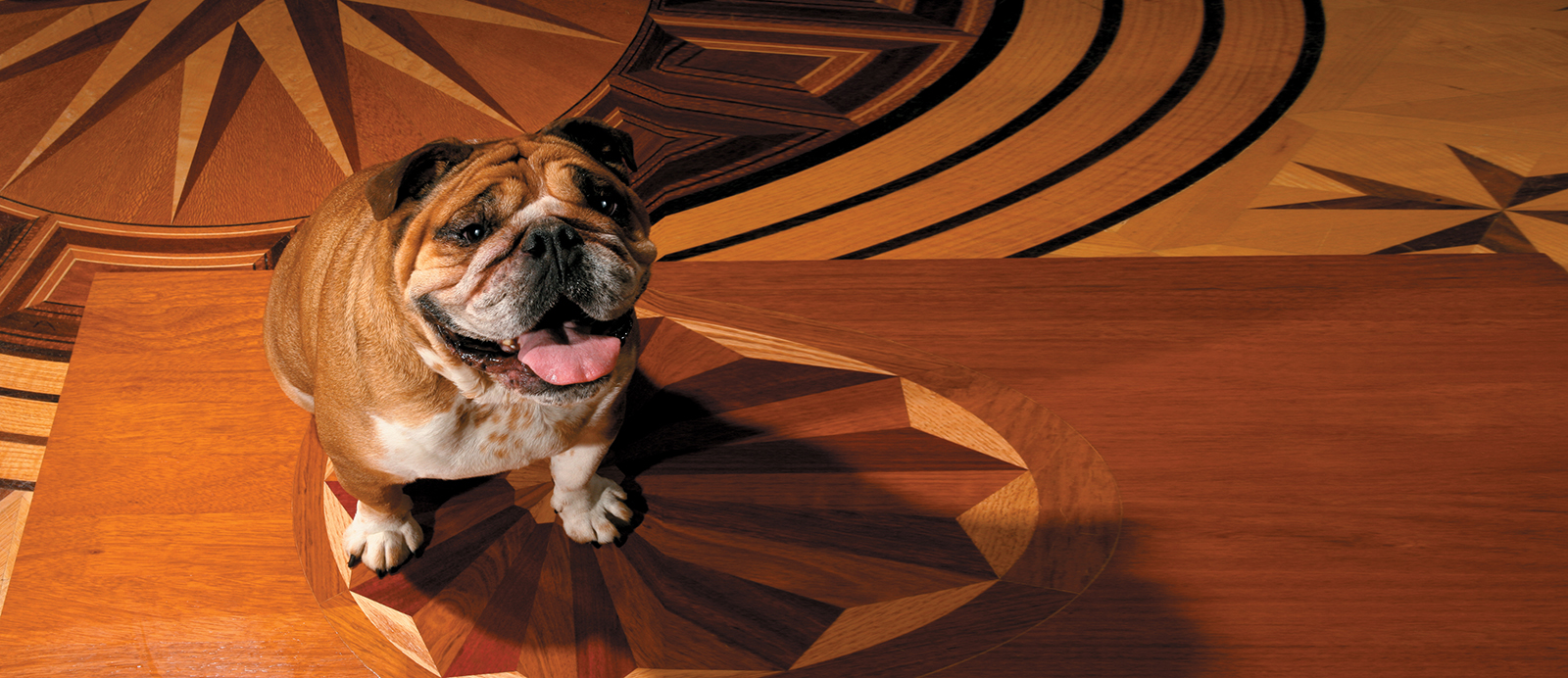
What Hardwood Floor Color Is the Most Timeless?
For most homes, natural, light-to-medium hardwood floor colors provide the greatest long-term design flexibility. Natural White Oak, warm beige, honey, and medium brown tones complement a wide range of cabinetry, furniture, wall colors, and architectural styles. When choosing hardwood flooring, remember that the final color depends on wood species, natural grain, stain, finish, lighting, and age. If you are refinishing an existing floor, test several stain samples directly on the wood before making a decision because the same stain can look dramatically different on White Oak, Red Oak, Maple, and other species.
Choosing between different hardwood floor colors can completely change the appearance of your home.
Light hardwood can make an interior feel brighter and more open. Medium wood tones provide warmth and versatility, while dark hardwood can create dramatic contrast and a more formal appearance.
But choosing the best hardwood floor color involves more than deciding whether you prefer light or dark wood.
The final appearance of hardwood flooring depends on wood species, natural grain, stain color, finish sheen, room size, lighting, cabinetry, furniture, and surrounding flooring.
If you’re installing new hardwood or refinishing existing hardwood floors, use this guide to compare hardwood floor colors before making your final selection.
What Are the Most Popular Hardwood Floor Colors?
Popular hardwood floor colors generally fall into four categories:
- Natural and unstained wood tones
- Light hardwood colors
- Medium brown hardwood
- Dark hardwood colors
Each creates a different effect.
Current design preferences tend to favor natural wood tones, warm neutrals, White Oak, and lower-sheen finishes rather than heavily gray flooring.
Our guide to hardwood flooring trends explores current colors, plank widths, species, and finishes in more detail.
However, the best hardwood floor color should complement your home rather than simply follow a trend.
1. Natural Hardwood Floor Colors
Natural hardwood colors allow more of the wood itself to become part of the design.
Instead of dramatically changing the wood with a dark stain, natural finishes emphasize:
- Grain
- Natural color variation
- Mineral streaks
- Board character
- Differences between individual planks
Natural White Oak has become particularly popular because of its neutral-to-warm appearance and relatively understated grain.
It works well with:
- Warm whites
- Neutral cabinetry
- Natural stone
- Contemporary furniture
- Traditional millwork
- Transitional interiors
Natural hardwood can also be easier to adapt to future decorating changes because it isn’t dominated by a strong stain color.
2. Light Hardwood Floor Colors
Light hardwood floors can create an open, relaxed appearance.
Popular light hardwood colors include:
- Natural White Oak
- Pale Oak
- Light beige
- Blonde wood
- Light neutral stains
Lighter floors reflect more light than very dark flooring and can work particularly well in smaller rooms or interiors with limited natural light.
They are also popular in contemporary, Scandinavian-inspired, transitional, and minimalist interiors.
Light hardwood can pair beautifully with both light and dark furniture because it creates a relatively neutral foundation.
Do Light Hardwood Floors Make a Room Look Bigger?
They can.
Light hardwood floor colors reflect more available light and can make a space feel brighter, cleaner, and more visually open.
Plank width also influences this effect.
Wide boards create fewer seams across a room, which can further simplify the visual appearance.
Our guide to wide-plank hardwood flooring explains how plank dimensions affect room appearance.
For additional guidance, read our article on choosing the right hardwood plank width.
3. Medium Hardwood Floor Colors
Medium brown is one of the most versatile hardwood floor colors.
It provides more warmth and contrast than very light flooring without creating the dramatic appearance of an extremely dark stain.
Medium tones can work particularly well in:
- Traditional homes
- Transitional interiors
- Historic properties
- Family rooms
- Dining rooms
- Living rooms
They also tend to coordinate easily with a broad range of furniture and cabinetry.
If you’re concerned about choosing a hardwood color that will still look appropriate years from now, a natural or medium wood tone is often worth considering.
4. Dark Hardwood Floor Colors
Dark hardwood can create a rich, sophisticated appearance.
Popular dark hardwood colors include:
- Espresso
- Dark Walnut
- Deep brown
- Ebony-inspired stains
Dark floors can create striking contrast with light walls, cabinetry, and furniture.
They can work especially well in:
- Large rooms
- Formal dining rooms
- Libraries
- Traditional interiors
- Rooms with abundant natural light
However, dark flooring generally makes dust, pet hair, footprints, and minor surface scratches more visible.
That doesn’t mean dark hardwood is a poor choice. It simply means maintenance expectations should be considered before selecting the color.
What Hardwood Floor Color Hides Scratches Best?
Light-to-medium hardwood floor colors generally make minor scratches, dust, and everyday surface wear less noticeable than very dark floors.
Grain also matters.
A floor with visible natural grain can visually disguise minor wear better than an extremely uniform dark surface.
Finish sheen has an effect as well.
Matte and satin finishes generally make small scratches and dust less conspicuous than high-gloss finishes.
Our guide to matte vs. satin vs. gloss hardwood floors explains this in greater detail.
Hardwood Floor Colors and Wood Species
You cannot choose a stain color without considering the wood underneath it.
Different species have different:
- Natural colors
- Undertones
- Grain patterns
- Density
- Staining characteristics
The same stain can look dramatically different on two species.
Our hardwood flooring species guide compares popular options such as White Oak, Red Oak, Maple, Hickory, and Walnut.
White Oak Hardwood Floor Colors
White Oak is one of the most versatile woods for current hardwood floor colors.
Its natural appearance works especially well with:
- Natural finishes
- Light neutral stains
- Warm beige
- Medium brown
- Some darker stains
Its grain tends to be less pronounced than Red Oak, which can create a cleaner overall appearance.
White Oak is particularly popular with wide-plank flooring and natural matte finishes.
Red Oak Hardwood Floor Colors
Red Oak naturally contains warmer and sometimes pinkish or reddish undertones.
Its grain is generally more pronounced than White Oak.
Red Oak can look excellent with:
- Natural finishes
- Honey colors
- Warm browns
- Medium stains
- Traditional darker stains
If your home already contains Oak flooring, identifying whether it is White or Red Oak can be important before selecting a new color.
Read our complete comparison of White Oak vs. Red Oak hardwood flooring.
How Lighting Changes Hardwood Floor Colors
Lighting can dramatically affect the way hardwood looks.
A stain sample viewed under showroom lighting may appear noticeably different after installation in your home.
Evaluate hardwood floor colors under:
- Morning sunlight
- Afternoon sunlight
- Evening light
- Overhead lighting
- Lamps
- Nearby windows
Also consider the direction and amount of natural light.
Rooms with abundant daylight may accommodate a broader range of floor colors, while lighter hardwood can help brighten rooms with less natural light.
This is why samples should always be evaluated in the actual space whenever possible.
Match Hardwood Floor Colors With Cabinets
Cabinetry is one of the largest visual surfaces in kitchens and adjoining living spaces.
Your hardwood doesn’t necessarily need to match the cabinetry.
In fact, a small amount of contrast often produces a more intentional appearance.
For example:
Light cabinets + medium hardwood: Creates warmth and contrast.
Dark cabinets + light hardwood: Prevents the room from becoming visually heavy.
Natural wood cabinets + hardwood: Consider undertones carefully so the two woods complement rather than compete with one another.
The goal should be coordination—not an exact color match.
Match Hardwood Floor Colors With Furniture
Furniture should also influence your decision.
If your furniture is predominantly dark, lighter hardwood can create contrast.
If you have light furniture, medium hardwood can introduce warmth and definition.
When furniture and flooring are almost exactly the same color, the room can sometimes lose visual separation.
Consider the complete palette:
- Floors
- Furniture
- Cabinets
- Walls
- Millwork
- Rugs
- Stone
- Metal finishes
Hardwood Floor Colors for Small Rooms
For smaller spaces, light and natural hardwood floor colors can help create a brighter and more open appearance.
Consider:
- Natural White Oak
- Light Oak
- Blonde tones
- Warm beige stains
However, room size should not be treated as an absolute rule.
A small library or dining room can look beautiful with dark hardwood when the goal is to create a more intimate atmosphere.
Hardwood Floor Colors for Large Rooms
Larger spaces provide more flexibility.
Medium and darker hardwood colors can introduce warmth and help large rooms feel more grounded.
Wide-plank flooring can also work particularly well in larger spaces because the dimensions of the room allow more of the wood’s grain and board character to be appreciated.
Explore our wide-plank hardwood flooring guide for additional design ideas.
What Hardwood Floor Color Is Best for Pets?
For homes with pets, color can influence how visible everyday wear becomes.
Very dark floors can make:
- Pet hair
- Dust
- Paw prints
- Minor scratches
more noticeable.
Light and medium wood tones can be more forgiving visually.
The species and finish also matter.
Read our guide to the best hardwood flooring for pets before making your final choice.
Choosing Hardwood Floor Colors When Refinishing
Hardwood floor refinishing gives homeowners an opportunity to significantly change the appearance of an existing floor.
Depending on the wood species and condition, refinishing may allow you to move from:
- Dark to lighter
- Orange-toned to more neutral
- Light to darker
- Gloss to matte
- Gloss to satin
- An older stain to a more natural appearance
However, the existing species still affects what can realistically be achieved.
A flooring professional should identify the wood before recommending stain options.
Always Test Hardwood Stain Colors First
Never select a hardwood stain based entirely on a photograph or small printed color chart.
Whenever possible, test stain directly on the actual flooring.
This allows you to evaluate how the stain interacts with:
- Wood species
- Grain
- Natural undertones
- Sanding
- Lighting
- Finish
Look at samples at different times of day before making the final decision.
The existing Classic Floor Designs guide also recommends evaluating flooring and stain samples in the actual space because natural and artificial lighting can change how the color appears.
Matching New Hardwood to Existing Floor Colors
If you’re adding hardwood next to an existing floor, color is only one part of the match.
You should also consider:
- Species
- Plank width
- Thickness
- Grade
- Grain
- Finish
- Age
- Sun exposure
Older hardwood naturally changes color over time, which can make a new board look different even if the original stain formula is known.
Our guide to matching existing hardwood floors explains the process in detail. Refinishing old and new flooring together can often produce a more consistent color and sheen.
What Hardwood Floor Colors Are Most Timeless?
If longevity is your priority, consider hardwood floor colors based on natural wood rather than extreme color trends.
Strong choices include:
- Natural White Oak
- Warm light Oak
- Neutral medium brown
- Natural Walnut
- Classic warm Oak
These colors emphasize the wood itself and tend to coordinate with a wide variety of interior finishes.
You can still create a distinctive floor through plank width, grade, grain, pattern, and sheen without relying on an extreme stain color.
Choosing Hardwood Floor Colors in Washington DC Homes
Washington DC homes range from historic rowhomes to traditional detached residences and contemporary renovations.
The right hardwood floor color should complement the architecture of the individual property.
Northwest Washington DC
Northwest DC homes may contain original Oak flooring that can be refinished into an entirely different color.
Explore hardwood floor refinishing in Northwest DC or our guide to luxury flooring in Northwest DC.
Georgetown
Historic Georgetown properties often benefit from stain colors that preserve the natural character of existing hardwood.
Learn more about hardwood floor refinishing in Georgetown DC.
Spring Valley
Spring Valley homes can accommodate everything from natural White Oak to warmer traditional hardwood colors.
Explore hardwood floor refinishing in Spring Valley DC or our guide to flooring for Chevy Chase and Spring Valley homes.
Cathedral Heights
Homeowners updating older hardwood can explore hardwood floor refinishing in Cathedral Heights DC.
Cleveland Park
For historic homes where wood color should complement existing architecture and millwork, explore hardwood floor refinishing in Cleveland Park DC.
Kalorama
Premium and historic Kalorama interiors can benefit from custom stain selection based on the species, architecture, and natural lighting.
Explore hardwood floor refinishing in Kalorama DC.
Woodley Park
Existing hardwood can often be recolored during professional refinishing.
Learn more about hardwood floor refinishing in Woodley Park DC.
Tenleytown
Explore hardwood floor refinishing in Tenleytown DC when existing floors need a new stain color and protective finish.
Hardwood Floor Colors in Maryland and Northern Virginia
Bethesda
Bethesda homeowners can update existing hardwood through sanding, custom staining, and finishing.
Explore hardwood floor refinishing in Bethesda MD or hardwood refinishing in Downtown Bethesda.
Kenwood
Homes in Kenwood often contain hardwood worth preserving rather than replacing. Refinishing can remove fading and discoloration while allowing homeowners to select a new stain color.
Learn more about hardwood floor refinishing in Kenwood MD.
Potomac
Large Potomac interiors provide flexibility for natural, medium, and darker hardwood colors depending on the architecture and lighting.
Explore hardwood floor refinishing in Potomac MD.
McLean
McLean homeowners can use hardwood color to coordinate open living areas, cabinetry, stairs, and adjoining rooms.
Explore hardwood floor refinishing in McLean VA.
How to Choose the Best Hardwood Floor Color
Before making your final selection, ask:
- What hardwood species do I have or want?
- How much natural light does the room receive?
- Is the room large or small?
- What color are the cabinets?
- What colors dominate the furniture?
- Do I have pets?
- How much maintenance do I want?
- Do I prefer matte, satin, or gloss?
- Does the new floor need to match existing hardwood?
- Will I still like this color after current trends change?
Answering these questions will narrow down the hardwood floor colors that make the most sense for your home.
Compare Hardwood Floor Colors Before You Decide
The best way to choose between hardwood floor colors is to compare actual wood and stain samples rather than relying entirely on photographs.
Species, grain, lighting, stain, and finish can all change the final appearance.
Classic Floor Designs provides hardwood floor installation, hardwood floor refinishing, and hardwood floor restoration throughout Washington DC, Maryland, and Northern Virginia.
Visit the Classic Floor Designs Washington DC flooring showroom to compare hardwood species, stain colors, plank widths, and finishes in person.
Contact Classic Floor Designs for help choosing a hardwood floor color for your new or refinished floors.

